Calcium
Calcium is vital to blood clotting and helps in wound healing. Calcium plays a role in controlling blood pressure, maintaining muscle and nerve functions. It is essential to the production of enzymes and hormones that regulate digestion, energy and fat metabolism. What's more interesting is its potential in protecting the heart from cardiovascular events when intakes of other nutrients such as magnesium and vitamin D are adequate. It is because of these other important functions that Calcium serves, when our intakes run low our body will have to draw upon the ultimate and only reservoir of Calcium from the bones. That is when we will be put at risk for osteoporosis - the thinning of bones in order to supply other parts of the body that require Calcium.What does the current guideline say about adequate consumption of Calcium?
- For adults between 19 to 50 years of age, 1000 mg/day is required
- For adults over 50 years, 1200 mg/day is needed
- More specific guidelines for children and pregnant women at different ages can be found in the Dietary Reference Intakes (DRI).
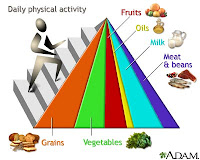
Dairy Products
- 1 cup or 8 oz of skim milk provides ~ 302 mg, low fat (1%) ~ 300 mg, reduced fat (2%) ~ 297 mg, and whole (3.3%) ~ 291 mg
- 1 cup or 8 oz of plain low-fat yogurt provides 400 mg, 1% yogurt ~ 300 mg
- 1 cup or 8 oz of enriched soy milk ~ 300 mg
- 1/2 cup of ricotta, part skim cheese ~ 337 mg, cottage cheese (1%) ~ 138 mg
- 1 tbsp of grated parmesan cheese ~ 69 mg, romano ~ 90 mg
- 1/2 cup of vanilla ice cream ~ 113 mg
Vegetables
- 1/2 cup of collard greens, frozen, cooked ~ 179 mg
- 1/2 cup of turnip greens, frozen, cooked ~ 125 mg
- 1/2 cup of spinach, cooked ~ 122 mg
- 1/2 cup of calcium fortified vegetable soup ~ 100 mg
- 1/2 cup of kale, frozen, cooked ~ 90 mg
- 1/2 cup of mustard greens, frozen, cooked, 76 mg
- 1/2 cup of broccoli, frozen, boiled ~ 47 mg
Fruits
- 6 oz of calcium-fortified orange juice or grape juice ~ 200 mg
- 4 oz of calcium-fortified apple juice ~ 100 mg
- 1 medium papaya ~ 73 mg
- 1 medium navel orange ~ 52 mg
Protein
- 1/2 of firm tofu, processed with calcium ~ 204 mg
- 1/2 of soft tofu, processed with calcium ~ 140 mg
- 3 0z of canned salmon with bones ~ 181 mg
- 1/2 cup of soybeans, green, boiled ~ 131 mg
- 2 pieces of sardines, canned, with bones ~ 92 mg
- 1 oz of whole almonds ~ 74 mg
Grains
- 1 breakfast bar ~ 200 mg
- 1 7'' homemade, plain waffle ~ 191 mg
- 1 packet of instant oatmeal ~ 163 mg
- 3 buttermilk pancakes ~ 150 mg
- 1 whole
Seeds & Miscellaneous
- 1 oz of peanuts ~ 25 mg
- 1 oz of dried hazelnuts/filberts ~ 53 mg
- 1 oz of sunflower seeds ~ 34 mg
- 1 tblsp of dried sesame seeds ~ 88 mg
- molasses, blackstrap ~ 172 mg
- tahini, 1tblsp ~ 64 mg
Meeting the daily requirement of calcium can be achieved through enjoying a variety of calcium-rich or fortified sources of foods, such as those listed above. Supplements can be taken with caution if inadequacy is a concern - for example intolerance to dairy products, and the amount needed depends on how much you are already consuming from your diet. More evidence is pointing to the risk of increased heart attacks in people who over-supplement Calcium (amount that exceeds the recommended values). So the message here is that strong bones are a plus, but definitely not at the expense of our heart. There is something wholesome and magical about getting what we need from eating foods rather than supplements - perhaps it is just nature's way. Always consult a doctor or a registered dietitian for advice about supplements or a specific medical condition. It is important to get a big picture of where our health stands and how to better it from here.
Vitamin DIf Calcium is the building block of our bones, Vitamin D can be likened to a Calcium helper that promotes the absorption and use of calcium for our bones, teeth and in the bloodstream. Contrary to common belief Vitamin D is a hormone rather than a vitamin, which is derived from cholesterol. Canadians generally get a decent amount of Vitamin D during the summer simply by being exposed to sunlight (without sunscreen) for as short as 10 minutes a few times a week, during which time the skin converts previtamin D3 through a number of steps to Vitamin D, which is formed in the liver and kidneys. However, deficiency can become a concern in winter times. The current guideline for Vitamin D intake is 200 IU (International Unit) for people at and under 50, 400 IU for those between 51 to 70 years of age, and 600 IU for those over 70. In the light of a prestigious systematic review from 2006, the current dietary recommendations (200-600 IU) fall short of what people should be consuming (at least 1000 IU/day) in order to prevent disease. The newly suggested intake at 1000 IU per day shows strong evidence for disease prevention in "Bone Mineral Density, Lower-Extremity Function, Dental Health, Risk of Falls, Fractures, and Colorectal Cancer" based on this review. Furthermore, there is building evidence of prevention for "multiple Sclerosis, Tuberculosis, Insulin Resistance, Prostate Cancer, Breast Cancer, Osteoarthritis, & Hypertension", and suggestive evidence for "autoimmune disease prevention & maintenance of a healthy immune system". In short, Vitamin D rules!
What should we take from all these information?
- Vitamin D supplementation should be considered for the general Canadian populations especially in winter times because we simply cannot make enough on our own! No one should have to risk skin cancer (by not putting on sunscreen) just so we could get some Vitamin D into the system.
- It is also not expected that we can supply ourselves with adequate amounts of Vitamin D solely from food sources. I know that this is not what I said about Calcium. Sometimes nature intends to fail us.
- That being said however, the best food sources of Vitamin D are fortified milk, eggs, and fish.
- Current evidence encourages a supplement of 1000 IU per day, which is both safe and beneficial to preventing many types of diseases.
- Your individual requirement for Vitamin D can be accurately assessed by getting a Vitamin D 3 serum level test.
The Upper Limit of Vitamin D intake is currently at 2000 IU per day. Newer evidence is pushing the upper limit to between 4000 and 100,000 IU. As more research is needed to justify the new high, we should try playing safe and not overdosing on the supplement. The Upper Limit is defined by Health Canada as "the highest average daily nutrient intake level likely to pose no risk of adverse health effects to almost all individuals in a given life-stage and gender group".
Sources:
Cleveland Clinic Canada "Increasing Calcium in your diet", "Should I take a Vitamin D supplement?"
Health Canada